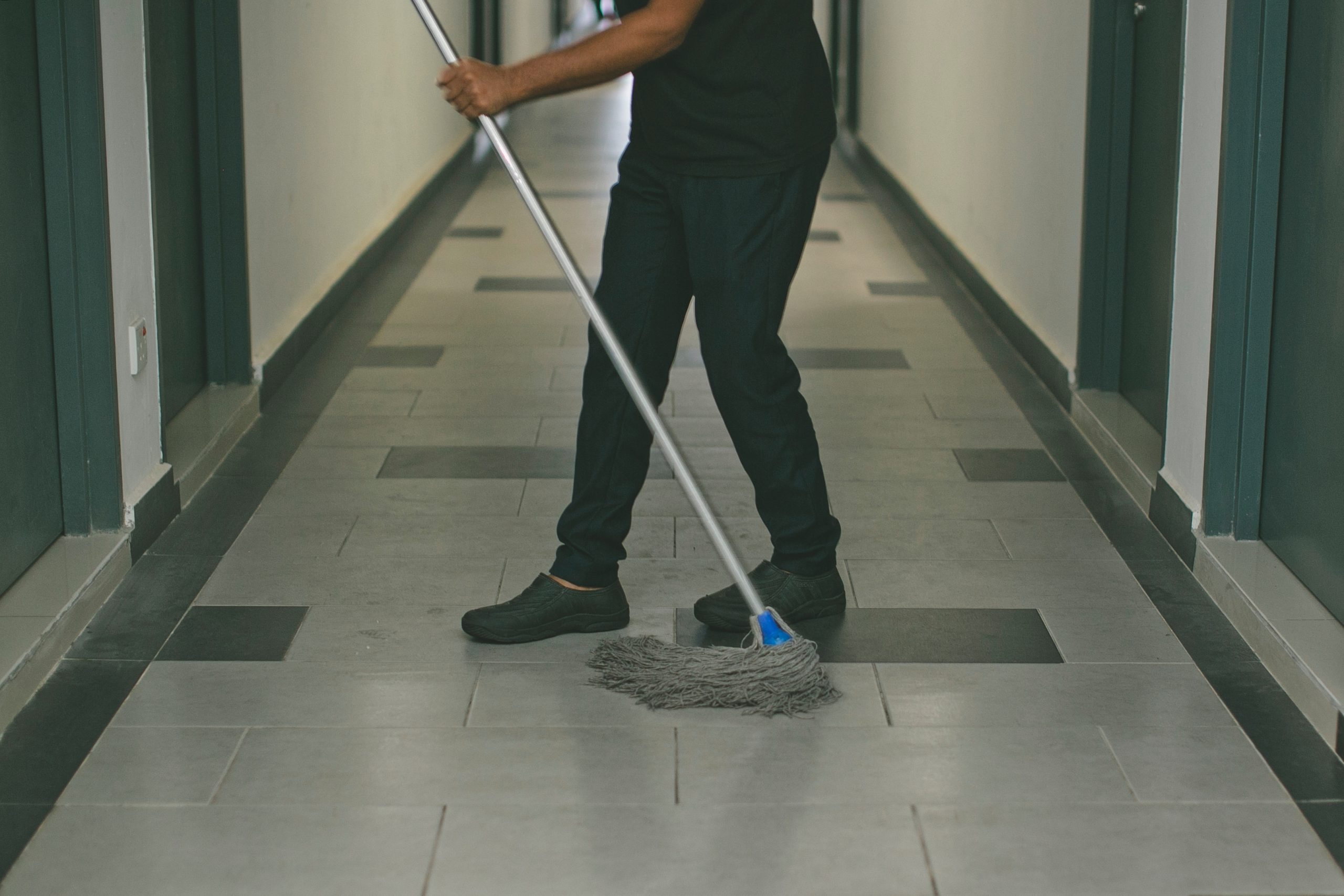
The hidden cost of cheap janitorial supplies isn’t the product itself—it’s the impact on labor, time, waste, and consistency.
On paper, switching to lower-cost janitorial supplies often looks like an easy win. The unit price is lower, the budget spreadsheet improves, and purchasing feels under control.
But in real facilities, cheap supplies often cost more than expected—just not on the invoice.
At HJS Supply, we regularly help facilities uncover why cleaning costs keep rising even when supply spending is down. The reason is simple: labor, time, waste, and breakdowns quietly outweigh the savings.
This isn’t an argument for “premium everything.” It’s about understanding where quality actually matters—and where it doesn’t.
Labor Costs Will Always Outweigh Supply Costs
In most facilities, labor represents 80–90% of total cleaning costs. Supplies are a much smaller line item.
That’s why even small inefficiencies add up fast:
Extra passes to get acceptable results
Re-cleaning missed areas
Slower tasks due to poor-performing products
If a lower-cost product adds just one or two minutes per task, that time multiplies across shifts, buildings, and weeks.
If labor is your biggest expense, your supplies should be helping crews work faster—not harder.
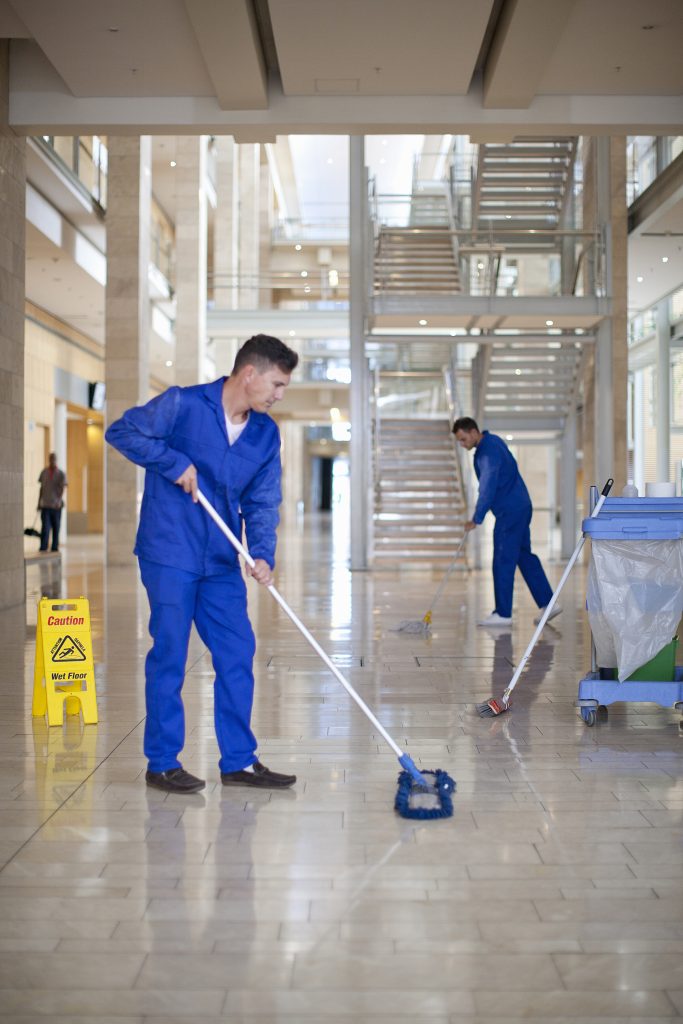
How Low-Quality Chemicals Increase Dwell Time
One of the most common hidden costs shows up with chemicals.
Lower-quality cleaners often:
Require a longer dwell time to work
Need higher concentrations to be effective
Leave residue that attracts soil faster
The result?
Crews wait longer, scrub more aggressively, or redo work entirely.
That’s not just a chemical issue—it’s a process breakdown.
Higher-quality formulations aren’t about branding. They’re about consistent performance at proper dilution, so tasks get done once and done right.
That consistency is what keeps labor predictable and prevents rework.
HJS Supply helps facilities match chemical performance to real-world dwell time and labor expectations.
Paper Products: Waste, Refills, and Dispenser Damage
Paper is another area where cheap products quietly drain budgets.
Common issues we see:
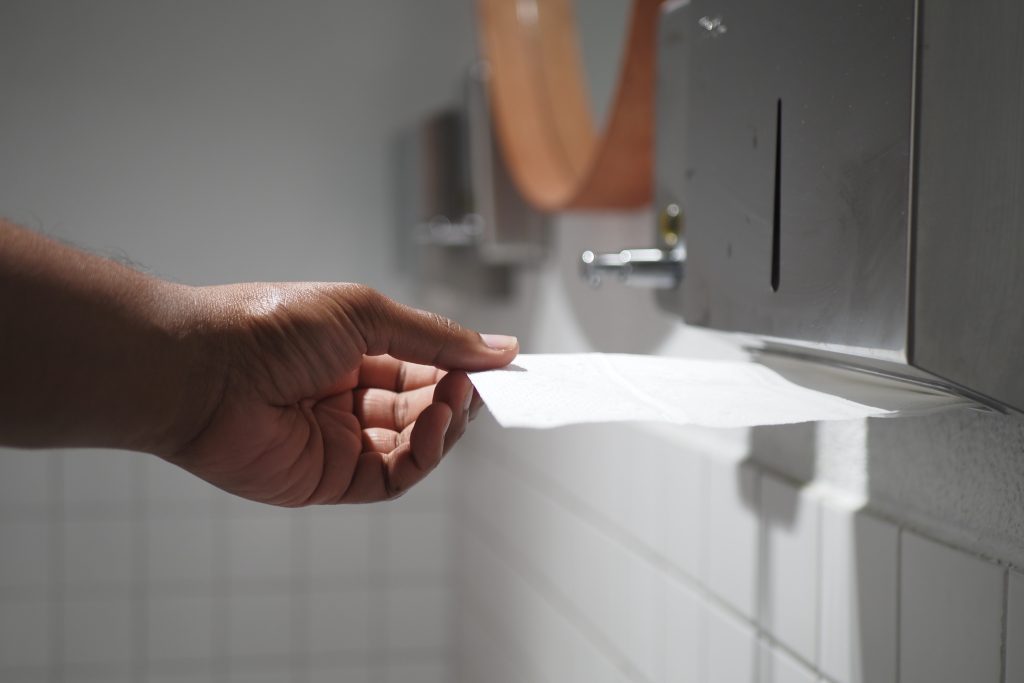
Thin towels that require double- or triple-pulling
Toilet tissue that depletes dispensers too quickly
Poor-quality cores that jam or break dispensers
The true cost shows up as:
Increased refill frequency
Higher paper consumption per user
Maintenance calls for damaged dispensers
In restrooms, user behavior reacts to paper quality. When paper doesn’t perform, people compensate—and waste skyrockets.
Right-sizing paper quality often reduces total usage, even if the case price is higher.
Equipment and Tool Wear Adds Up Quickly
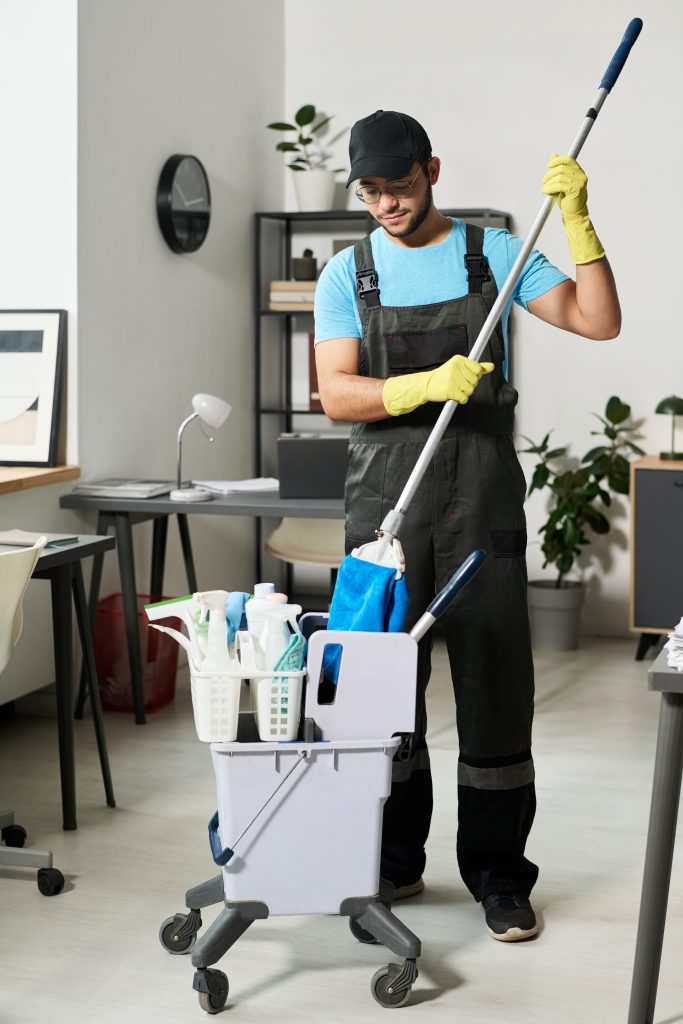
Low-cost tools can shorten the life of:
Mop handles
Pads and brushes
Squeegees and accessories
When tools bend, shed, or fail:
Productivity drops
Safety risks increase
Replacement cycles speed up
This doesn’t mean every tool needs to be top-tier—but failure-prone items cost more in downtime than they save upfront.
Where Budget Products Actually Make Sense
This is where trust matters.
Not every product needs to be premium.
Budget-friendly options often work well for:
Low-traffic areas
Back-of-house spaces
Short-term or seasonal needs
Disposable items with minimal performance demands
The key is knowing which products affect labor and outcomes—and which don’t.
A smart supply program balances cost, performance, and frequency of use—not brand names.
Smarter Spending Starts With Process, Not Price
The real cost of cheap janitorial supplies shows up in labor inefficiency, wasted materials, and inconsistent results.
Facilities that control total cleaning costs focus on:
Performance per task
Time per procedure
Refill and replacement frequency
Long-term wear on people and equipment
At HJS Supply, we help customers make intentional choices, not upsells—because sometimes the right answer is a budget product, and sometimes it isn’t.
If you’re trying to reduce cleaning costs without cutting corners, contact HJS Supply. We’ll help you identify where quality pays off—and where it doesn’t.
That’s how smart facilities control costs without sacrificing performance, safety, or long-term reliability.