

One of the most common questions facility managers ask isn’t what floor cleaner should we use? — it’s how often should we actually be doing all of this?
When daily mopping, occasional scrubbing, and full strip-and-wax projects blur together, floors wear faster, labor costs climb, and cleaning teams burn out. A smarter floor care schedule separates daily maintenance, interim cleaning, and restorative work—so each task happens at the right time, for the right reason.
Building a daily vs. deep cleaning floor care schedule requires more than routine mopping—it demands a clear understanding of daily, interim, and restorative floor care. When facility floor maintenance is planned around traffic patterns and usage, commercial floor care schedules become more efficient, more consistent, and far less reactive.
At HJS Supply, we help facilities rethink floor care as a process, not a checklist. Here’s how to build a schedule that protects your floors and your budget.
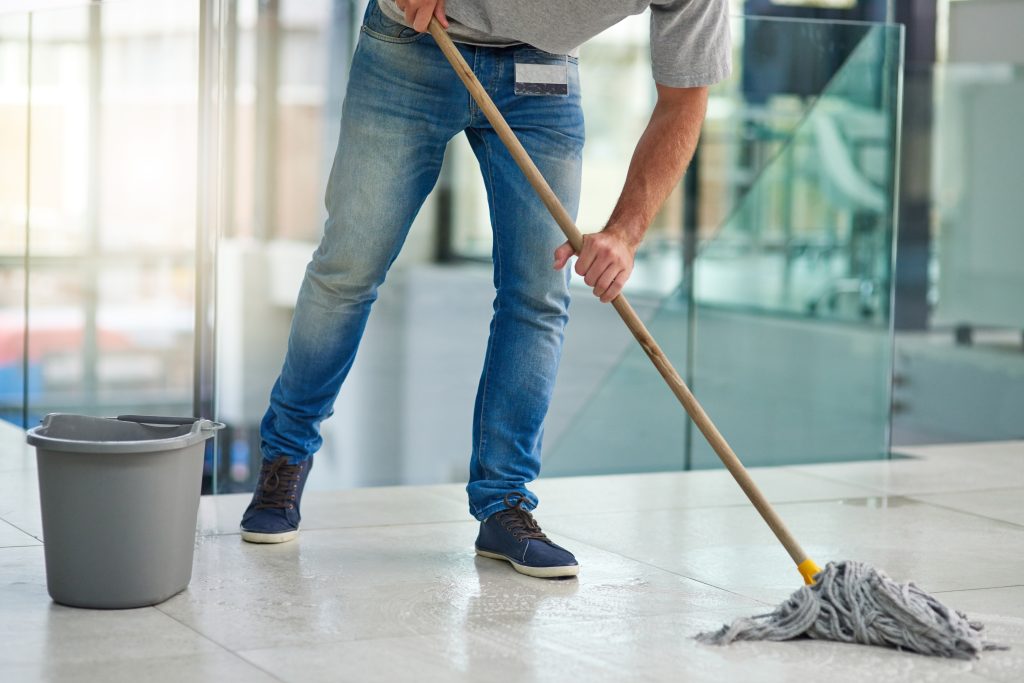
Daily Maintenance: Protect the Finish You Already Have
Daily cleaning is about removing soil, not transforming it. Its job is to keep grit, dust, and spills from damaging the floor finish between deeper cleanings.
Daily maintenance typically includes:
Dust mopping or vacuuming hard floors
Damp mopping or auto-scrubbing with a neutral cleaner
Spot cleaning spills and entrances
Where Neutral Cleaners Fit
Neutral cleaners are ideal here because they:
Remove light soils without attacking the finish
Reduce residue buildup
Are safer for frequent use
Where they don’t fit: greasy kitchens, industrial shops, or heavy soil areas where alkalinity is needed. Using a neutral cleaner in the wrong environment leads to re-cleaning and wasted labor.
Not sure if your daily cleaner matches your floor type? HJS Supply can help evaluate both your chemistry and your process.
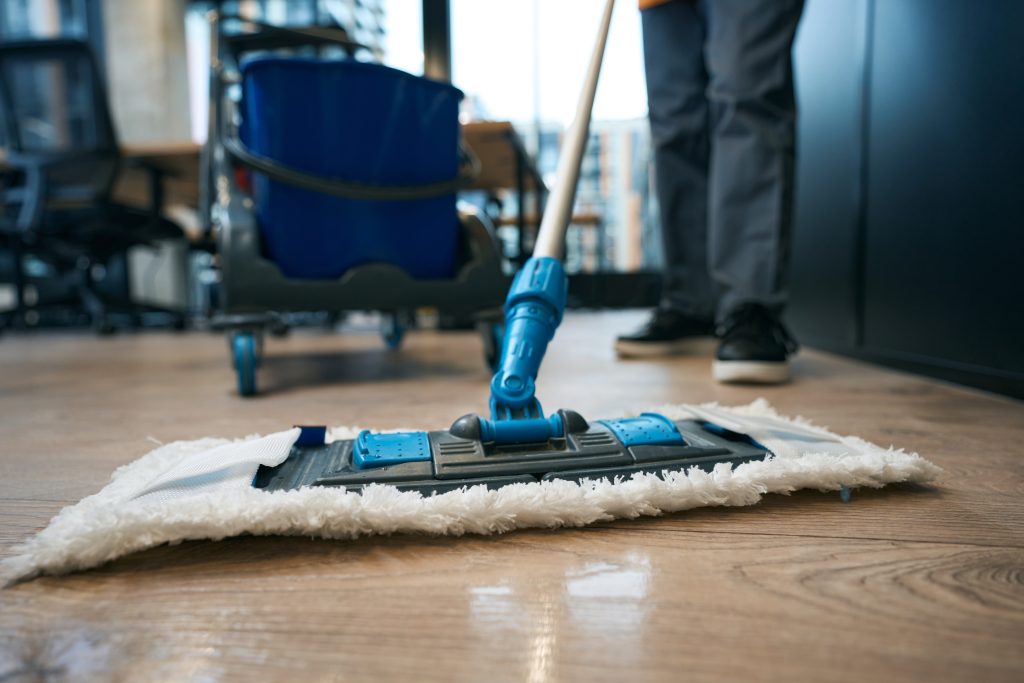
Interim Cleaning: Reset the Floor Before Damage Sets In
Interim cleaning sits between daily upkeep and full restoration. This step is often skipped—and that’s where problems start.
Interim cleaning includes:
Auto-scrubbing with a slightly stronger cleaner
Burnishing or polishing high-traffic areas
Targeted cleaning of lanes and entrances
This stage removes embedded soil that daily mopping can’t touch, restoring appearance without removing finish.
Traffic Patterns Matter More Than Calendars
Instead of scheduling interim work “once a month,” look at:
Entrances and vestibules
Checkout lanes or hallways
Break rooms and cafeterias
High-traffic zones may need weekly interim cleaning, while low-traffic areas may need it quarterly. A one-size schedule rarely works.
HJS Supply regularly helps facilities map traffic flow to build smarter, zone-based cleaning plans.
Restorative Cleaning: Fix the Floor, Not the Symptoms
Restorative work—like stripping and refinishing or deep scrubbing—is corrective, not routine. If you’re restoring too often, it’s a sign the earlier steps aren’t working.
Restorative cleaning includes:
Stripping and refinishing VCT
Deep scrubbing to remove heavy buildup
Recoating worn finishes
Done properly, restoration extends floor life. Done too often, it shortens it.
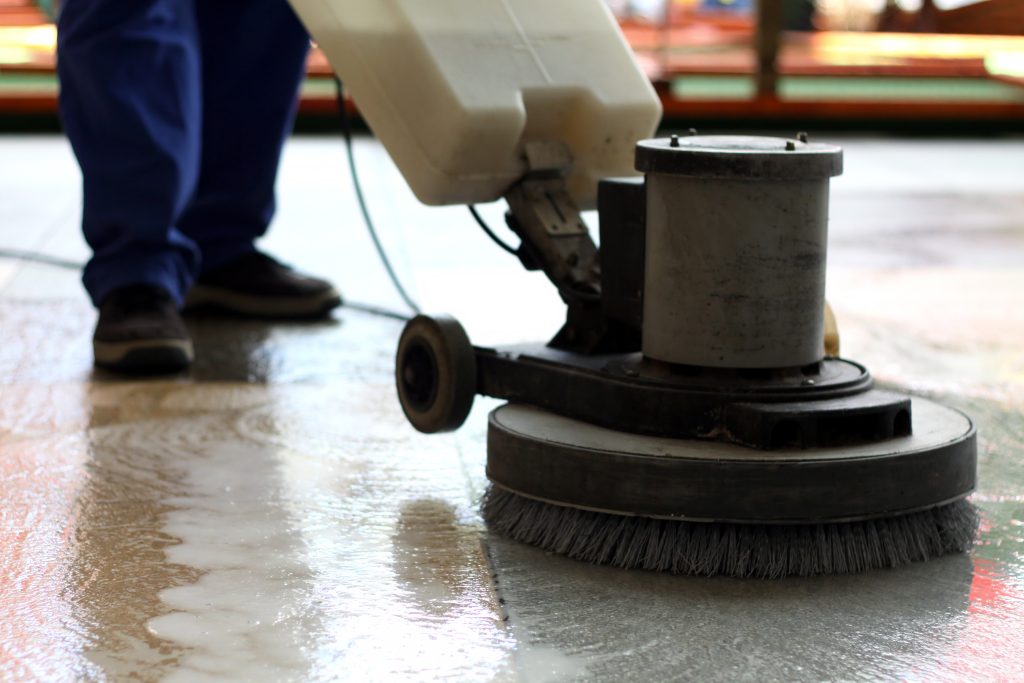
When Equipment Rentals Make More Sense Than Ownership
Not every facility needs to own every machine.
Rentals often make sense when:
Restoration is only done 1–2 times per year
Storage space is limited
Staff turnover makes training inconsistent
You need specialized equipment for the short term
Owning equipment is best for daily and interim tasks. Renting for restorative projects keeps capital costs down and ensures you’re using the right tool for the job.
HJS Supply offers guidance on when to rent, when to buy, and how to avoid over-equipping your operation.
Build a Schedule That Works for Your Facility
A smart floor care program isn’t about doing more—it’s about doing the right level of cleaning at the right time.
When daily, interim, and restorative cleaning are clearly defined:
Floors last longer
Labor is more efficient
Appearance stays consistent
Costs become predictable
If your current schedule feels reactive—or your floors never quite look right—it may be time to rethink the process.
Contact HJS Supply to review your floor care schedule, traffic patterns, and equipment strategy. We’ll help you build a plan that works smarter, not harder.